
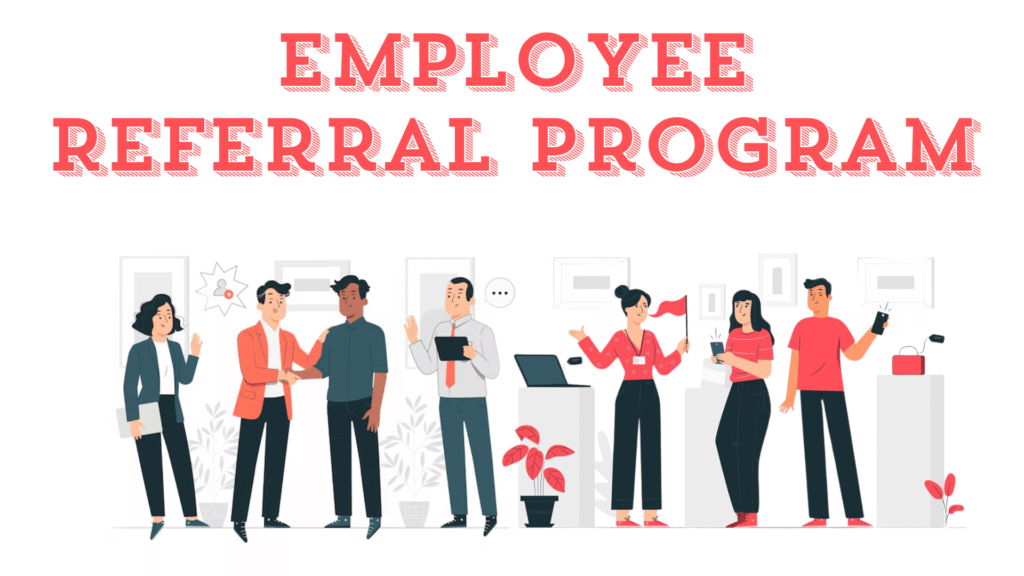
Referral programs are now one of the most potent growth strategies for modern businesses. Referrals can produce high-quality results at a fraction of the cost of many traditional marketing channels, whether that’s a company rewarding customers for bringing in new business, paying affiliates to spread the word about products, or encouraging existing employees to recommend talented candidates.
Technology has only accelerated this. Today, dedicated referral platforms automate everything from link creation and conversion tracking to commission payments and performance reporting. Sophisticated programs can be rolled out in days, not months, and integrations with CRM platforms, payment gateways and marketing automation tools make scaling easier than ever.
At the same time, the modern workforce has become more diverse. A growing tech business may have permanent employees, freelance developers, overseas contractors, affiliate marketers, consultants and strategic partners all working towards the same commercial goals. These people may seem to serve similar purposes but are in quite different legal positions.
A surprisingly common mistake is to confuse these relationships. Getting your workers classified incorrectly, or not having the right kind of agreements in place, can create unnecessary legal exposure, tax issues, and operational disruption. For businesses focused on rapid growth, knowing the difference between employees, contractors, and referral partners is as important as choosing the right software platform.
Why Referral Programmes Are Still Growing
Consumer trust has changed, making referral marketing especially attractive. Buyers increasingly look for alternatives, and traditional advertising campaigns are being replaced by recommendations from people they know or follow online.
Referral programs have become highly sophisticated through technology. Modern platforms can do:
- Automatically generate unique referral links.
- Monitor all clicks and conversions.
- Pay commissions instantly.
- Connect with customer relationship management software.
- Spot suspicious referral activity.
Detailed performance reports generated in real time.
Referral programs are often a key driver of sustainable growth for SaaS companies, ecommerce brands, and subscription businesses. They reward actual advocacy and measurable return on investment.
But just because technology automates the commercial side of referrals doesn’t mean it automates legal compliance. Businesses must still have a clear understanding of who they are working with and what responsibilities each relationship entails.
Grasping the Different Working Relationships
One of the biggest misconceptions in growing businesses is that everybody outside of the payroll is the same. In practice, employment law draws a number of distinctions between types of working arrangement, each carrying different rights, obligations and risks.
Staff
Employees are normally employed on employment contracts and are members of the organisation’s permanent staff.
Their employer usually supervises:
- Hours of work
- Job responsibilities
- Goals for performance
- Policies in the workplace
- Resources and equipment
Employees also have statutory employment rights such as holiday entitlement, protection from unfair dismissal (in qualifying circumstances) and other protections at work. Employees are intrinsically different from independent commercial partners because they operate within the management structure of the organisation.
Independent Contractors
Independent contractors run their own businesses and offer services to businesses. A software developer can finish one project and then move on to another client. A migration project can benefit from specialist expertise from a cybersecurity consultant. A designer can work for multiple companies at the same time.
In general, contractors have more freedom in how they perform the work, and frequently provide their own equipment, establish their own hours, and bear the financial risks of their business activities.
This is an important distinction because contractors are typically not entitled to the same employment rights as permanent employees.
Member and Referral Partners
Typically, referral partners don’t do operational work for the company itself.
Rather, they draw in new customers or advertise products and services for a commission.
Technology has made affiliate marketing accessible, especially. Bloggers, YouTubers, newsletter publishers, industry consultants, and social media creators can all become referral partners via dedicated affiliate software.
Referral partners should be independent of the employees commercially. They promote businesses because the relationship is mutually beneficial, not because they are run in the same way as staff members.
Why Technology Companies Often Cross the Lines
Startups tend to prize speed.
Founders spend their time launching products, finding investors, and getting customers. In such busy times, legal distinctions between types of workers may receive much less attention than product development or revenue growth.
This happens in a few common cases.
A freelance developer joins a short-term project but remains with the company for years.
An affiliate is heavily involved with product launches and attends internal planning meetings.
A marketing contractor is working a fixed number of hours each week, using the company’s equipment, and is closely supervised by a manager.
Although each relationship may have started as independent, the practical working arrangements can, over time, start to look like employment.
The title that appears in a contract is not always the legal status. But authorities and courts often look at the reality of how someone works rather than just accepting the terms of an agreement.
The Dangers of Misclassification
Misclassifying workers creates headaches that extend well beyond administration.
If someone is classed as a contractor but the working relationship looks more like employment, there can be disputes over holiday pay, pension contributions, tax liabilities and notice periods or unfair dismissal rights.
Financially, it can be significant, particularly where multiple staff have been involved in similar schemes.
There are also reputation issues. Tech firms are fiercely competing for skilled workers, and employment practice disputes can impact recruitment, investor confidence and customer perception.
As organisations grow, reviewing workforce classifications becomes more important as an element of good governance, rather than a legal exercise.
Referral Programs Do Not Create Employment Relationships
Referral marketing is an area that causes unnecessary confusion.
Sometimes businesses get so excited about successful referral partners that they start to treat them like employees.
For example, companies may
- Establish minimum hours of work.
- Participate in regular internal meetings.
- Monitor promotional activities closely.
- Restrict work with other businesses.
- Carry out internal performance evaluations.
Such practices may obscure the commercial nature of referral relationships.
Instead, successful affiliate relationships are outcome-driven, not supervision-driven. A business will provide brand guidelines, commission structures, marketing assets, and allow partners to choose how they market products within an agreed framework of standards.
Such independence is in the interest of both parties and reduces unwarranted legal uncertainty.
Contracts Need to Be Realistic
For growing businesses, written agreements are still one of the most valuable tools one has.
Every contractor agreement must clearly state:
- Scope of services.
- Payment plan.
- Ownership of intellectual property.
- Duties of confidentiality.
- Responsibilities for data protection.
- Termination procedures.
Referral agreements should contain:
- Commissions calculations.
- Payment arrangements.
- Advertising standards
- Brand usage policies.
- Disclosure requirements
- Termination conditions for the Programme.
Well-drafted agreements help create clarity from the outset. But it is equally important to ensure that day-to-day working practices are aligned to those agreements. If contracts provide for complete independence and managers have wide control over day-to-day activities, the written document may not provide much protection.
When businesses are reviewing their workforce arrangements, they often seek guidance from experienced Sherborne solicitors for employment law on making sure contracts, policies and operational practices stay aligned as the organisation grows.
Artificial Intelligence Is Revolutionizing Workforce Management
Artificial intelligence is changing HR, recruitment and referral programme management.
Applicant tracking systems filter CVs in a matter of seconds. AI tools help find the best referral partners, predict how well campaigns will do, and spot fraudulent commission claims. Automation of onboarding cuts down on administration, while workforce analytics platforms reveal insights that would have taken weeks of manual analysis.
The upside for these technologies in operations is enormous.
But businesses should remember that AI doesn’t erase accountability. No matter how much automation supports those processes, recruitment decisions, contractor management and employment compliance are still owned by employers.
Technology must support decision-making, not replace careful human judgement.
Businesses Scale, Intellectual Property Raises in Value
Intellectual property is among the most valuable commercial assets of many technology companies.
Software code, product designs, marketing materials, databases, proprietary systems all provide competitive advantage. But ownership can get surprisingly complex when several contractors, consultants, and referral partners are contributing to the growth of the business.
Many founders assume that if you pay someone to do work, the resulting intellectual property is theirs. In practice, it is not always so.
Often the employment contract will include clauses which transfer the intellectual property created in the course of employment to the employer. Independent contractor agreements should also have clear ownership provisions. Without contractual terms in place, disputes over software development, creative assets or other commercially valuable output may occur.
Every relationship must include data protection.
Almost every business works with personal data, whether it’s about employees, contractors or referral partners. CVs, contact details, payroll information, commission payments, performance metrics and customer records all need to be treated responsibly.
Technology has made data collection easier than ever, but companies need to resist the temptation to collect more information simply because they can. “Every platform that is brought into the HR or referral process should have a clear purpose, and businesses should know exactly what data is processed, where it is stored and who has access to it.
Referral platforms deserve special attention. Customer referral programmes frequently involve sharing customer names, email addresses and purchasing activity across different systems. In cases where there are a number of software providers, organisations should understand how providers handle personal information and have appropriate agreements in place.
Good data governance is more than compliance with regulations. Customers, employees and commercial partners are choosing more and more to do business with organisations they trust to protect their information.
How to Build Contractor Relationships That Stay Independent
Independent contractors offer the flexibility that many growing businesses need. Organisations can access specialist developers, designers, marketers and consultants and benefit from their expertise without the overhead of permanent recruitment.
Just having a contractor agreement is not enough to keep your true independence intact.
It is important for businesses to consider whether contractors actually have control over how they do their work and whether or not they are free to work for other clients, and, where appropriate, supply their own tools or equipment. Paying contractors for agreed deliverables rather than tracking every hour worked can also help to reinforce the commercial nature of the relationship.
Regular reviews are just as important. A contractor hired for a three-month project may still be working with the company years later. It is important for organisations to review periodically whether the original arrangement still reflects reality as relationships change.
This proactive approach helps to minimize the chances of any disputes arising in the future, while ensuring that both parties are aware of their responsibilities.
How to Work With Referral Partners Without Making Them Employees
Referral partners are successful because they have developed audiences and trusted relationships. When you try to manage them like employees, you actually sabotage their independence, which is what makes referral marketing work.
Rather than dictating how content should be created or when promotional activity should take place, businesses should provide clear direction on brand standards, legal disclosures, and practices to avoid.
Open communication is good, but it should be collaborative, not managerial.
Many successful technology companies offer affiliates marketing assets, product updates, educational resources and dedicated support. These tools enable referral partners to do a better job, without altering the commercial aspect of the relationship.
The goal should always be to build mutually beneficial relationships based on trust, transparency and clearly defined expectations.
7 Common Mistakes Businesses Make in Compliance
As organisations expand, small lapses can develop into big operational issues.
A mistake made often is to use contracts that are outdated and no longer reflect how people actually work. Businesses often change products, software, or commercial strategies but forget to review employment or contractor agreements.
Another issue that is inconsistent is onboarding. When different managers hire contractors or referral partners through different processes, this can lead to confusion over responsibilities and expectations that isn’t needed.
Some organisations also do not provide enough training for managers. A line manager might, without realizing it, start managing a contractor as if they were an employee, creating inconsistencies between the contractual terms and day-to-day practice.
Another problem is poor record keeping. Good record keeping of agreements, commission payments, policy updates and communications helps to evidence good governance and makes it much easier to sort out disputes if they do arise.
Such problems are not usually due to intentional misconduct. More often than not, they are slow, as businesses outpace their internal processes.
Questions Every Growing Business Must Ask
Before jumping on the referral scheme or contractor bandwagon, leadership teams should take a step back and consider their current approach.
Some questions to ask are:
- Is each working relationship a true reflection of the person’s work?
- Are contracts reviewed periodically as responsibilities change?
- Has guidance been given to managers on how to work correctly with contractors and referral partners?
- Are intellectual property rights well established?
- Are referral commission payments made through transparent processes?
- Do HR technologies have sufficient provisions for human oversight?
- Are the obligations for data protection known for all platforms in use?
- Are the policies still appropriate to the size of the organisation, not the business it was two years ago?
Those questions require proactive governance, not reactive problem-solving.
