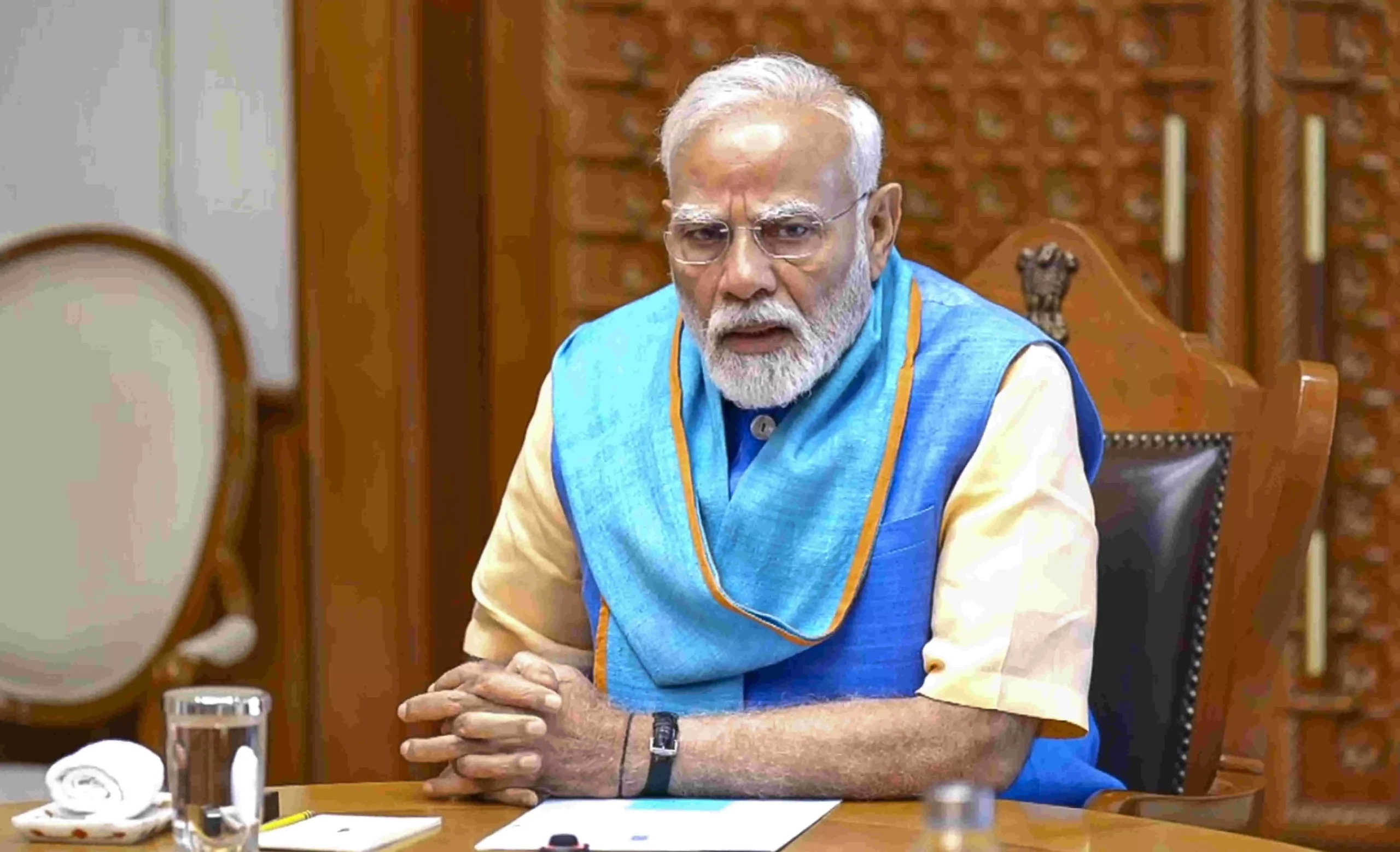
Narendra Modi, widely known as Modi, is one of the most influential political figures in contemporary India. Rising from humble beginnings to becoming the Prime Minister of the world’s largest democracy, Modi’s journey is both compelling and complex. His leadership has reshaped India’s political landscape, governance approach, economic policies, and global standing. Supporters view Modi as a transformative leader who brought efficiency and vision to governance, while critics raise concerns about social harmony, democratic institutions, and economic outcomes.
This article explores Modi’s early life, political rise, leadership philosophy, major policy initiatives, domestic and international impact, controversies, and his lasting influence on India. By understanding Modi’s journey and governance style, readers can gain deeper insight into modern Indian politics and society.
Early Life and Background of Modi
Humble Beginnings
Narendra Damodardas Modi was born on September 17, 1950, in Vadnagar, Gujarat. Coming from a modest family, Modi’s early life was marked by financial constraints. His father ran a tea stall, and as a child, Modi is often described as helping his father sell tea at railway stations. These experiences are frequently referenced to emphasize his grassroots origins and connection with ordinary citizens.
Education and Early Influences
Modi completed his schooling in Gujarat and later earned a degree in political science. From a young age, he showed an interest in public life and ideology. He was drawn to nationalism and discipline, which eventually led him to associate with organizations promoting cultural and social activism.
Entry into Public Life
Modi joined the Rashtriya Swayamsevak Sangh (RSS) as a young volunteer. His organizational skills, dedication, and ability to mobilize people helped him rise through the ranks. This period played a significant role in shaping Modi’s ideological outlook, discipline, and political strategy.
Modi’s Rise in Indian Politics
Association with the Bharatiya Janata Party (BJP)
Modi formally entered politics through the Bharatiya Janata Party (BJP). Initially working behind the scenes, he gained recognition for his strategic thinking and ability to manage political campaigns. His organizational work contributed to the BJP’s growth in several regions.
Becoming Chief Minister of Gujarat
In 2001, Modi became the Chief Minister of Gujarat. His tenure in the state brought him national attention. He emphasized economic development, infrastructure growth, and administrative efficiency. Gujarat under Modi projected itself as a business-friendly state, attracting investments and promoting industrial growth.
National Recognition and Leadership Aspirations
Over time, Modi’s image evolved into that of a decisive and development-focused leader. His speeches, administrative style, and emphasis on governance efficiency helped him build a strong personal brand. This eventually positioned Modi as a key national leader within the BJP.
Modi as Prime Minister of India
2014 General Elections
In 2014, Modi led the BJP to a decisive victory in the Indian general elections. His campaign focused on development, economic revival, job creation, and strong leadership. Modi’s use of mass rallies, digital media, and direct communication with voters set new benchmarks in Indian political campaigning.
Re-election in 2019
Modi was re-elected in 2019 with an even larger mandate. This victory reinforced his popularity and solidified his position as a dominant figure in Indian politics. His leadership style and political messaging resonated with a significant portion of the electorate.
Leadership Style and Governance Philosophy
Centralized Decision-Making
Modi is often described as a strong and decisive leader. His governance style emphasizes centralized decision-making, with a focus on speed, accountability, and execution. Supporters argue this brings efficiency, while critics worry about reduced institutional autonomy.
Communication and Public Outreach
One of Modi’s defining traits is his ability to communicate directly with citizens. Through radio programs, social media, and public addresses, Modi maintains a consistent presence. His communication strategy helps him shape narratives and connect with a broad audience.
Focus on Discipline and Performance
Modi promotes discipline and performance within government institutions. Initiatives aimed at reducing bureaucratic delays and improving service delivery reflect this approach. He often stresses outcome-based governance rather than procedural formalities.
Major Policy Initiatives Under Modi
Economic Reforms
Modi’s tenure has seen several significant economic reforms. Policies aimed at improving tax compliance, formalizing the economy, and promoting entrepreneurship have been central to his agenda. These reforms have had mixed outcomes, with supporters highlighting long-term benefits and critics pointing to short-term disruptions.
Infrastructure Development
Infrastructure development is a key pillar of Modi’s governance. Investments in highways, railways, airports, and urban development projects aim to boost economic growth and connectivity. Large-scale projects have become symbols of modernization and progress.
Digital Transformation
Under Modi, India has witnessed rapid digital expansion. Initiatives promoting digital payments, online governance services, and technology-driven solutions have transformed how citizens interact with the state. Digital inclusion has become a cornerstone of administrative reform.
Social Welfare Programs
Modi’s government has launched numerous welfare programs targeting housing, sanitation, healthcare, and financial inclusion. These initiatives aim to improve living standards, particularly for marginalized and rural populations.
Modi’s Foreign Policy and Global Image
Strengthening International Relations
Modi has placed strong emphasis on foreign diplomacy. He has engaged actively with world leaders, strengthening India’s relationships with major global powers and neighboring countries. His frequent international visits have increased India’s visibility on the world stage.
India as a Global Player
Under Modi, India has sought to project itself as a confident and assertive global actor. Participation in international forums, strategic partnerships, and economic diplomacy reflect this ambition. Modi’s leadership has contributed to shaping India’s global narrative.
Diaspora Engagement
Modi has also focused on engaging the Indian diaspora. Large public events abroad and outreach programs have strengthened ties between overseas Indians and the homeland, reinforcing cultural and economic connections.
Public Support and Popularity of Modi
Mass Appeal
Modi enjoys significant popularity among large sections of the population. His personal story, communication skills, and emphasis on national pride resonate with many voters. He is often seen as a leader who understands grassroots issues.
Electoral Success
Repeated electoral victories highlight Modi’s ability to mobilize support. His leadership has redefined political campaigning and voter engagement in India, influencing how parties approach elections.
Criticism and Controversies
Democratic Institutions
Critics of Modi argue that centralized power and strong leadership can weaken democratic institutions. Concerns have been raised about press freedom, dissent, and institutional independence during his tenure.
Economic Challenges
While Modi’s economic reforms aim for long-term growth, challenges such as unemployment, inflation, and inequality continue to be debated. Economic outcomes under Modi remain a subject of intense discussion among economists and policymakers.
Social and Cultural Issues
Modi’s leadership has also been associated with debates on social harmony and cultural identity. Supporters view his approach as strengthening national identity, while critics fear increased polarization.
Modi’s Influence on Indian Politics
Redefining Leadership
Modi has redefined political leadership in India by combining strong personal branding with governance-focused messaging. His style has influenced both supporters and opponents in how politics is conducted.
Impact on Political Discourse
The political discourse in India has evolved under Modi. Topics such as nationalism, development, governance efficiency, and global standing have gained prominence in public debate.
Legacy and Long-Term Impact
Modi’s long-term legacy will be assessed based on economic outcomes, institutional strength, social cohesion, and India’s global position. His tenure marks a significant phase in India’s democratic journey.
Conclusion
Modi remains a central figure in modern Indian history. From his humble beginnings to becoming Prime Minister, his journey reflects ambition, discipline, and political acumen. His leadership has brought significant changes to governance, infrastructure, digital transformation, and India’s global engagement. At the same time, his tenure has sparked debates on democracy, economy, and social harmony.
Whether viewed as a transformative leader or a controversial figure, Modi’s impact on India is undeniable. His policies, leadership style, and political legacy will continue to influence the nation for years to come. Understanding Modi is essential to understanding contemporary India—its aspirations, challenges, and evolving identity.
